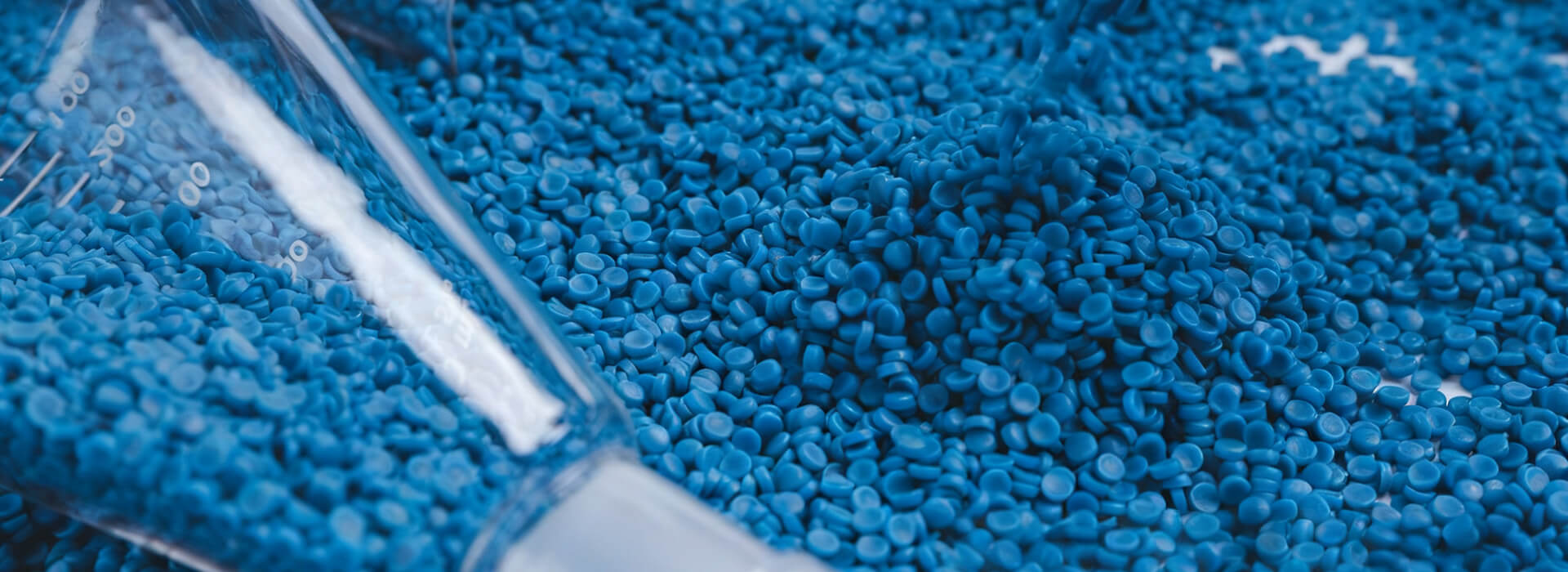
People stumbled upon polyvinyl chloride (PVC) in the 19th century, but it took industrial push and some tinkering in the early 20th century before PVC carved out its current reputation. The early experiments left researchers staring at a white, brittle solid from gas reactions. It didn’t seem useful until chemists figured out how to soften, shape, and inject it into daily life. Mid-century, PVC stormed the industrial scene, showing up in everything from pipes to phonograph records, signaling both a technological leap and the stubbornness of plastic’s grasp on society.
In practice, PVC resin plays a lead role where strength and weather resistance come in handy. Folks turn to it for pipes, window frames, medical tubing, wire insulation, and endless consumer goods. The tricky part involves not just making the product, but also tweaking the balance between rigidity and flexibility. That’s why you see both rock-solid, tough PVC in building materials as well as soft, bendable versions in medical devices.
PVC resin transforms from a white powder to a tough thermoplastic with heat. The addition of chlorine to the polymer structure keeps it fire-resistant, boosts durability, and lets it resist acids, salts, and most chemicals. In daily life, that means PVC handles rain, sun, and most cleaning products without skipping a beat. Its density is higher than most plastics, and it doesn’t burn easily — features that give it an edge in tough settings.
Every bag of PVC comes with a label full of acronyms — K-value, polymerization degree, type of stabilizer. K-value, a measure of molecular size, hints at flexibility, with higher numbers leading to stiffer products. Producers sort resin types for their use: emulsion processes for fine-particle coatings, suspension processes for general plastics. Additives like plasticizers, stabilizers, and colorants each nudge performance in different directions. Standard organizations like ASTM and ISO keep producers honest with strict guidelines for labeling and performance.
To get from raw materials to usable resin, producers usually turn to suspension polymerization. The process starts with vinyl chloride monomer, which reacts under pressure and heat with the help of initiators and emulsifiers, forming steady beads of resin. Copper pipes and glass-lined reactors keep the batch pure. Some switch to emulsion or bulk processes for finer or purer grades. The resin, once washed and dried, leaves the plant ready for compounding and shaping.
PVC reacts best under controlled heat. Add enough heat, and the resin softens, letting additives blend in for new properties—think impact modifiers, flame retardants, foaming agents. Certain chemical tweaks create copolymers and cross-linked forms, which raise toughness or chemical resistance. These modifications carry trade-offs, often making the material harder to recycle or process. Advanced labs keep exploring grafting and functionalization, always searching for another angle to boost performance or safety.
People know this resin by a bunch of names. You’ll see “vinyl” on shower curtains or flooring, or “PVC” labeled on pipes, electrical conduits, and packaging. Chemical suppliers roll out trademarks like Geon, Vinnolit, or Shinett, depending on the region or industry.
Factories and workers who handle PVC need to keep ventilation systems humming along and health checks up to date. Vinyl chloride monomer, the starting chemical, carries known risks for cancer if inhaled over time, especially in places cutting corners on safety. International standards from OSHA, REACH, and other watchdogs play a critical role by laying down exposure limits and mandating personal protective equipment. Even downstream, end-users have questions about additives like phthalates or lead-based stabilizers, which have prompted countries to tighten rules, especially for products made for children or food contact.
The modern home, office, and hospital bristle with PVC. Pipes send water underground, medical tubing delivers life-saving fluids, and electric wire coatings stop accidental shocks. Auto makers wrap dashboards and door panels, using years of scratch resistance. Sign makers and advertisers use flexible PVC in banners. The construction industry sticks with PVC window frames and siding for cost savings and weather protection. The scale of use spikes around big infrastructure projects and urban growth.
Labs around the world still push PVC’s limits. The biggest breakthroughs come from new plasticizers that skip toxic side effects, or bio-based options that lower fossil fuel use. Hybrid blends merge PVC with natural fibers for lighter, stronger building materials. Some researchers work on “smart” PVC coatings that repel dirt or change color under different conditions, feeding a growing demand for intelligent materials. Robotics and 3D printing begin turning PVC into custom medical devices and lightweight structural parts.
Health studies show most concern centers on vinyl chloride monomer and the additives, not the pure polymer itself. Routine exposure during normal use, like handling pipes or flooring, gives little cause for worry. The real risk arises from workers not protected in manufacturing or folks living near unregulated plants, where leaked vapors bring cancer and other chronic ailments. Different countries run long-term studies on effects from lead, cadmium, and phthalates, prompting swaps to safer stabilizers and plasticizers. Researchers continue to test substitutes and monitor populations for any overlooked byproducts or breakdown products.
As consumer pressure rises, industry faces a challenge—deliver the reliability of PVC with less harm to people and the environment. Recycling technology has picked up pace, especially “closed loop” systems that turn old pipes or bottles back into new products. Efforts to switch to renewable-feedstock PVC have started, though price and supply chains slow the progress. Regulators turn a sharper eye on single-use PVC products and toxic ingredients, pushing for cleaner, next-generation materials. Breakthroughs depend on making new chemical routes and green additives as affordable as the current staples, then building trust by sharing safety and performance data openly.
Clean water and working toilets might not seem exciting, but they matter in daily life. PVC pipes carry water into homes, take sewage away, and keep irrigation working on farms. One reason towns stick with this material is its strength. Unlike some metals, it doesn’t rust. PVC handles chemicals better than old-school steel or iron, and it keeps going even under constant pressure from water flow or changes in temperature. When storms roll through or the ground shifts, plastic pipes bend a little before cracking. That resilience means fewer leaks, which protects roads and foundations from water damage. Plus, installation doesn’t require tons of energy—workers cut and fit these pipes easily at a job site.
At home, chances are, you see PVC every time you pull a new shower curtain out of its wrapper, open a window, or plug in headphones. That “plastic smell” when something fresh from the factory gets unwrapped often comes from flexible vinyl, a softened form of PVC. Factories shape it into raincoats, window frames, seat covers, or floor tiles. Cooks might not realize the clear plastic wrap sealing a sandwich is made from the same stuff used underfoot at the hardware store, just processed differently with less filler and dye.
Little changes in formula allow soft or stiff textures, depending on what’s needed. Furniture makers use foamed PVC to cut down on weight and cost, without making seats flimsy. It resists scratches and stains better than untreated wood or cloth. Walk through a hospital, and you spot PVC in IV bags, oxygen masks, and tubing. Safety matters in these settings. Manufacturers rely on this resin because it blocks germs and can be thrown out after one use, cutting infection risk.
People notice vinyl siding on houses across North America. It stands up to heat and hammering rain. Rather than rot, it sticks around for decades. Builders like it because it costs less than brick or stone and comes in wide color options. Roofing sheets, rain gutters, and floor coverings often come from the same feedstock. Factories scale up production without major delays, keeping costs down.
Still, not everything about PVC hits the mark for everyone. Making this plastic usually means using chlorine and fossil fuels. Disposal can be tricky. Tossed into a landfill, some chemicals might eventually seep into the soil or water. Burning it the wrong way releases harmful fumes. People concerned about pollution or plastic waste push for recycling and safer disposal. For now, recycling systems for PVC run into roadblocks because different formulas and additives mix into the resin. Sorting takes time and money. Some cities experiment with collecting used pipes and flooring for new projects.
Engineers look at new ways to produce this material with less impact on the planet. Some research explores plant-based alternatives or smarter recycling so that yesterday’s floor tile can turn into tomorrow’s window frame. Reducing waste, rethinking formulas, and improving collection all play a part in making this common resin cleaner and safer for everyone.
Working in construction, I lost count of the times I unloaded sacks of PVC resin for piping projects. One glance at the labels made me realize not every bag is the same. Some jobs call for a type that melts just right for extrusion, others for a powder that blends smoothly into outdoor signage. Manufacturers offer a range of grades because industries need options tailored to their methods and climate challenges.
Two main grades hit the market: suspension and emulsion. Suspension PVC resin lands in those heavy sacks, full of free-flowing white powder. You see it in plumbing pipes, window frames, bottles, and credit cards. Suspension grades break down further based on their molecular weight and particle size, and each one has a job. For example, the K-value tells you about molecular weight — with K-57 being popular in bottles and hoses, while K-67 shows up in strong, tough pipes. K-70 goes into soft, flexible materials. The K-value is not just a number; it signals how long your component stays reliable.
Emulsion resin, sometimes called paste resin, looks almost like flour. Factories run it through processes that form shoe soles, synthetic leather, flooring, and flexible toys. Its fine texture gives excellent surface qualities, so designers love it for coatings and intricate details. Paste resin never did well in heavy-duty pipework, but shines when creating flexible or decorative elements.
Take wire and cable manufacturing. Electrical cables need flexibility but must resist heat and sun. For this, a specific suspension grade stands out, letting the mix stand up to high temperatures and UV. On a construction site, you want a grade that makes pipes rigid and reliable, one that doesn’t crack years down the line. In packaging, food safety rules bring a different set of demands, only met by certain K-values.
One day I watched a young technician try using a general-purpose resin for an automotive gasket. The result—cracking and poor sealing—cost the company a shipment. That day, I saw why understanding these differences goes beyond technical jargon. Picking the wrong grade rarely ends well.
The public watches chemicals more closely these days. Not every PVC resin suits applications with food or medical use. Only medical grades, free of specific impurities, get approval for hospital gear or baby toys. Some PVC production involves additives like phthalates or lead; they can migrate out of the product if the wrong formula lands in the wrong place. EU and US regulations now block certain grades from food packaging and children’s goods, pressuring plants to clean up recipes.
Education and clear labeling help buyers avoid waste and safety headaches. Professional organizations keep growing their standards, requiring safer ingredients and regular audits. More manufacturers invest in research to develop phthalate-free grades and recyclable blends, keeping landfills a little smaller. People in my industry share success stories: switching to certified grades, investing in eco-friendly lines, and partnering with consumers to reduce harmful plastic waste. There’s a concrete path toward cleaner, safer, and smarter PVC resin choices.
Think of the water pipes running under streets, credit cards in wallets, or the clear cling film in the kitchen. All use polyvinyl chloride, or PVC resin, as their base material. One big reason for its constant use comes from how it stands up against everyday bumps and knocks. It absorbs shocks, resists breaking under stress, and doesn’t split easily. If a toy or a pipe snaps after a slight impact, that costs time and money for repair or replacement. In my house, more than one football has bounced off the garden guttering, and PVC pipes didn’t show a dent. This dependability has real value in homes and on building sites.
Exposure to sun, wind, and rain wears down many materials but not PVC. Sunlight tends to make plastics fade or crumble over time. PVC, especially with quality additives, pushes back against ultraviolet rays. Fences and window frames made from it don’t peel or flake after a year under the sun. Living in a mixed climate taught me that rain and frost put siding panels to the test, yet the PVC panels looked steady between seasons. Few other plastics keep their color and structure without turning brittle after a tough winter or muggy summer.
Anyone who’s worked in construction, or even tried a DIY project, knows the worry about fire risks. Many plastics melt or catch fire in a flash. PVC resin has an edge here — it doesn’t burn easily. In fact, pure PVC snuffs itself out when the ignition source is gone. That’s part of the reason it gets used in cable insulation and window frames. If you’ve seen damage after a small electrical fire, it’s often the PVC-covered wires that kept the damage in check. Lower flammability means less worry for builders and families alike.
PVC tanks and pipes store chemicals, acids, and salts in places like farms and factories. These don’t eat through the walls, even after years. Compared to metal or less sturdy plastics, PVC doesn’t rust or corrode. An old neighbor replaced his steel guttering after one monsoon, but the PVC downpipes on my roof handled the test and needed no change. Wide use in the chemical industry comes directly from this sturdy chemical defense.
PVC resin stands out for its ability to become either rigid or soft. Add different plasticizers and you get flexible cable sheaths, soft raincoats, or tough pipework. This ability helps manufacturers fine-tune the material for almost any type of product. As a parent, I appreciate soft vinyl flooring for safety and easy cleaning, while rigid forms handle the heavier jobs. We see doors, floors, car interiors, hospital blood bags, and blister packs — all from one versatile plastic base. It saves cost and effort not having to search for a new material for every different use.
Concerns about long-term safety of plastics sit at the center of today’s headlines. PVC earns both praise and blame. On one hand, its long lifespan means less frequent replacement. On the other, waste from disposable products and the nature of its additives push for better recycling solutions. Some firms have moved to eco-friendlier stabilizers and tighter recycling loops. I’ve seen the shift in packaging and building supplies, as the industry tries to meet these higher standards for health and ecology.
Walk into a kitchen, open the fridge, or take a look in a hospital and it’s not hard to spot vinyl. Polyvinyl chloride—better known as PVC—shows up everywhere: in clear tubing, in food packaging, even in blood bags. Over the years, folks have debated whether it's really safe to use PVC for things that come in contact with the food we eat or the medical products we trust with our health.
PVC by itself is a rigid plastic. This stiffness makes it good for pipes but not so great for bags or wraps. To soften PVC, manufacturers add plasticizers—most often, phthalates. These chemicals help PVC bend and flex, but they don’t always stay put. As we've learned from studies published by the European Food Safety Authority and the US Food and Drug Administration, certain phthalates can migrate out of the plastic, especially when food is fatty, heated, or stored for a long time.
This leaching has been linked to health risks. Research points to some phthalates disrupting hormones in lab animals. Several countries have banned particular types from children’s toys and products for infants. When scientists discovered that di(2-ethylhexyl)phthalate (DEHP) can end up in fluids used in hospitals, it changed the conversation in medical circles.
Rules for PVC use run strict in the fields of food and medicine. The US FDA only approves PVC resins and additives that pass a battery of safety tests. European regulators publish lists of ingredients permissible for contact with food. Not just any formulation gets a pass. I’ve seen smaller companies cut corners here, using resins meant for industrial use in products that handle food. That’s a shortcut that puts people at risk, and it happens more often than most consumers realize.
Industry doesn’t stand still. Manufacturers now offer phthalate-free versions of PVC. These rely on safer alternatives like TOTM, citrates, or other new plasticizers. I’ve visited packaging plants that swapped out older formulas to address growing demand from retailers trying to avoid headlines about toxic chemicals. Medical device makers also pay attention. A clear trend in hospitals is a slow but steady shift toward PVC alternatives for blood bags and catheters, after years of concern about DEHP exposure.
No plastic is perfect. The alternatives to PVC have tradeoffs, from higher cost to less flexibility. Hospitals in rural regions or with tight budgets sometimes stick with affordable, older PVC products, weighing risks and benefits. Consumers often don’t get a choice—they rarely know what material their food wrap or medical tubing uses.
If you ask most experts, they’ll say PVC can work safely in food and medical uses if it meets tight regulations and uses safer additives. The key? Full transparency, strong oversight, and continued innovation. As science marches on and public awareness grows, pressure builds for better solutions.
From my own experience working alongside material engineers and food inspectors, the most effective improvements come from making information public and easy to understand. Labels that show which additives are inside, regular testing and up-to-date regulations all build trust. If industry, government, and the public keep pushing for these things, safety will be less about luck and more about solid guarantees.
PVC resin holds a firm spot in my memory of years spent in manufacturing. It looks like any other white powder but behaves a bit like flour thrown in the air — quick to spread everywhere, dangerous to breathe in, and tough to clean up if mishandled. Handling it becomes more than just following instructions; it’s about respecting the risks and looking after the crew.
Once, I saw water sneak in through a tiny tear in a bulk bag, turning that corner into a solid clump of wasted resin. Moisture doesn’t just spoil the batch; it can foul up processing and lead to costly downtime. The right move starts with storing bags on pallets, well above the ground. Keep the resin in a dry warehouse, shielded from leaks and heavy foot traffic. It pays to keep the doors closed, especially during humid days. Even the best ventilation system struggles to fix sloppy bag closures or lazy stacking.
Breathing in PVC dust is a recipe for long-term health problems. The fine powder can also sit on lights, vents, and electronics, turning a clean room into a fire risk. I’ve watched more than one operation get shut down over dust issues alone. To keep workers safe, proper PPE is a must — think N95 masks, gloves, and goggles. We relied on frequent inspections and cleaned up with industrial vacuums, never sweeping, because brooms just send dust flying. Some basic rules — always keep resin containers closed unless adding or removing material, fix leaks right away, and avoid eating near storage areas. It’s not just company policy; it’s basic respect for your team.
PVC resin doesn’t like neighbors. Any hint of oil, grease, or even cross-contact with other polymers causes sticky headaches downstream. Piles should stay separated, with clear labeling. I learned to keep bags tightly sealed and handled them with clean gloves. Even forklifts entering resin storage needed to stay clean, because tire marks and dirt can contaminate the whole area.
Leaving resin out in the sun is asking for trouble. Intense heat warps the bags and can degrade the powder. Direct sunlight breaks down the material over time, sometimes before you ever get to processing. Indoors, stable temperatures below 30°C (86°F) work best.
People need to know what they are handling — and why good habits matter. I’ve seen new hires trip up because no one taught them why a ripped bag is more than a mess; it’s a hazard. Ongoing safety meetings, clear signage, and open communication make all the difference. Supervisors have to notice problems early and address them before a small mistake grows into a big one.
Putting these habits in place keeps both workers and resin safe. The right storage, tough cleanup routines, and training that sticks help avoid most of the pitfalls. It’s not about ticking boxes; it’s about making sure the job gets done right and nobody goes home with regrets.

| Names | |
| Preferred IUPAC name | poly(chloroethene) |
| Other names |
Chlorethene homopolymer
Vinyl chloride homopolymer PVC resin Poly(1-chloroethylene) Polychloroethene |
| Pronunciation | /ˌpɒl.iˈvɪn.ɪl ˈklɔː.raɪd ˈriː.zɪn/ |
| Identifiers | |
| CAS Number | 9002-86-2 |
| 3D model (JSmol) | '3D model (JSmol)' string for **Polyvinyl Chloride Resin**: ``` C(C(Cl)H)H ``` (Note: This represents the repeating unit of PVC in simplified SMILES notation, suitable for most 3D molecular viewers including JSmol.) |
| Beilstein Reference | 1139823 |
| ChEBI | CHEBI:53254 |
| ChEMBL | CHEMBL2106479 |
| ChemSpider | 28146 |
| DrugBank | DB09418 |
| ECHA InfoCard | ECHA InfoCard: 100.013.795 |
| EC Number | 500-020-2 |
| Gmelin Reference | 12649 |
| KEGG | C13586 |
| MeSH | D020052 |
| PubChem CID | 8250 |
| RTECS number | TH9647000 |
| UNII | F17M5UWK2N |
| UN number | UN1860 |
| Properties | |
| Chemical formula | (C2H3Cl)n |
| Molar mass | 62.50 g/mol |
| Appearance | White powder |
| Odor | Odorless |
| Density | 1.35-1.45 g/cm3 |
| Solubility in water | Insoluble in water |
| Vapor pressure | Negligible |
| Acidity (pKa) | 13.5 |
| Magnetic susceptibility (χ) | '-9.2 × 10⁻⁶ cgs units' |
| Refractive index (nD) | 1.54 |
| Viscosity | 60-150 mPa.s |
| Dipole moment | 1.72 D |
| Thermochemistry | |
| Std molar entropy (S⦵298) | 77.0 J·mol⁻¹·K⁻¹ |
| Std enthalpy of formation (ΔfH⦵298) | -460 kJ/mol |
| Std enthalpy of combustion (ΔcH⦵298) | -17.55 MJ/kg |
| Hazards | |
| GHS labelling | GHS02, GHS07 |
| Pictograms | GHS07,GHS08 |
| Signal word | Warning |
| Hazard statements | H351: Suspected of causing cancer. |
| Precautionary statements | P261, P264, P271, P272, P280, P302+P352, P333+P313, P362+P364, P501 |
| NFPA 704 (fire diamond) | 2-1-0-✔ |
| Autoignition temperature | 455°C |
| LD50 (median dose) | LD50 (median dose): >5,000 mg/kg (oral, rat) |
| NIOSH | CGV |
| PEL (Permissible) | 1.0 mg/m³ |
| REL (Recommended) | 1 mg/m³ |
| Related compounds | |
| Related compounds |
Polyvinylidene chloride
Polyvinyl alcohol Polyvinyl acetate Polyethylene Polystyrene |