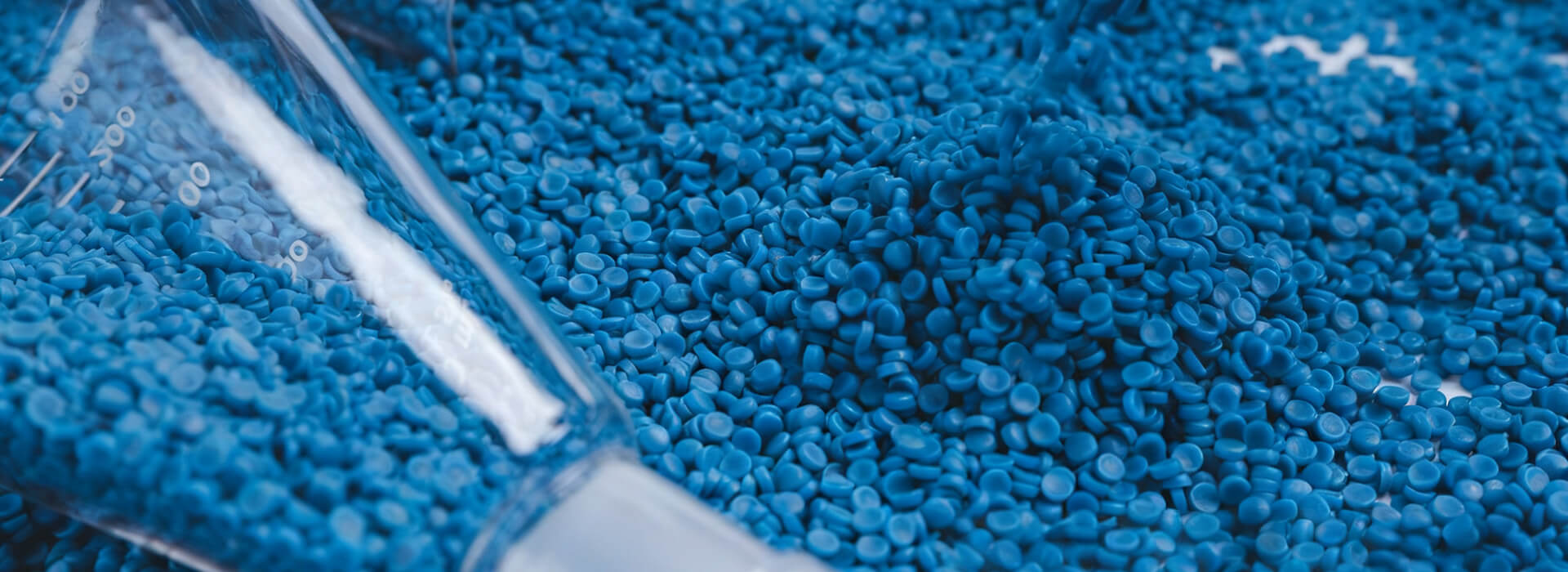
Product Name: Polyvinyl Chloride Paste Resin
Chemical Name: Polyvinyl Chloride
Synonyms: PVC Paste Grade, Vinyl Chloride Homopolymer
Recommended Use: Production of synthetic leather, flooring, wall coverings, gloves, hoses, and toys
Supplier: Manufacturer or local distributor details as per sourcing
CAS Number: 9002-86-2
Emergency Contact: Local emergency number, poison control center, or company helpline
GHS Classification: Not classed as a hazardous product under typical regulations (OSHA, GHS)
Potential Health Effects: Inhalation of dust can cause respiratory irritation; prolonged skin contact may lead to minor irritation in sensitive individuals; eye contact leads to minor reddening
Label Elements: Pictogram – none mandated; Signal Word – none
Precautionary Statements: Use in a well-ventilated area; wash hands after handling; avoid creating or breathing dust
Hazard Statements: Dust generated during handling may cause respiratory tract irritation
Main Component: Polyvinyl Chloride (PVC), 90–99% by weight
Minor Components: Residual Vinyl Chloride Monomer <1 ppm
Additives: Vary based on manufacturer, may include stabilizers, plasticizers, or lubricants
Impurities: Unreacted monomers, low molecular weight fractions, trace process aids
Inhalation: Move the exposed person to fresh air promptly if dust has been inhaled; seek medical attention if symptoms persist, such as coughing or difficulty breathing
Skin Contact: Remove contaminated clothing, wash affected area with soap and plenty of water; seek medical attention for persistent irritation
Eye Contact: Rinse thoroughly with water for at least 15 minutes while holding eyelids open; consult a doctor if discomfort continues
Ingestion: Rinse mouth with water; medical attention should be sought if large quantities are swallowed or if symptoms develop, though polymer is considered of low toxicity
Suitable Extinguishing Media: Foam, dry chemical, carbon dioxide, water spray
Unsuitable Media: High-pressure water jet may spread powder
Hazardous Combustion Products: Hydrogen chloride (HCl), carbon monoxide, carbon dioxide, trace amounts of phosgene gas possible
Special Fire-Fighting Procedures: Firefighters should wear self-contained breathing apparatus and full protective gear to avoid inhalation of toxic gases; approach from upwind side
Explosion Data: Dust clouds can create an explosive risk if concentration exceeds lower explosive limit (approximately 60 g/m³ for PVC dust)
Personal Precautions: Wear protective clothing, dust masks, and goggles; avoid inhalation of dust and contact with eyes
Environmental Precautions: Prevent entry into sewers, waterways, or soil to reduce risk of microplastic pollution
Cleanup Methods: Use HEPA-filtered vacuum or wet sweeping to collect spilled material; collect in labeled containers for appropriate disposal; do not use compressed air
Spill Reporting: Local and national regulations may require notification for significant or environmentally sensitive releases
Handling: Use equipment and systems designed to minimize dust generation; provide good ventilation; avoid eating, drinking, or smoking during handling
Storage: Store in tightly sealed containers, in cool, dry, and well-ventilated areas; keep away from strong acids, bases, oxidizers, and incompatible chemicals
Special Considerations: Ground and bond containers during material transfer to prevent electrostatic charge buildup; store away from direct sunlight and sources of heat
Hygiene Practices: Wash hands and face thoroughly before breaks or after handling; keep work clothing separate
Occupational Exposure Limit: OSHA PEL for nuisance dust: 15 mg/m³ (total), 5 mg/m³ (respirable fraction)
Engineering Controls: Local exhaust ventilation at points of dust generation; enclosed production systems recommended for volume operations
Personal Protective Equipment: Dust mask or NIOSH-approved respirator if working in areas with elevated airborne concentrations; safety goggles and gloves to protect eyes and skin; antistatic clothing in high-dust environments
Monitoring: Routine air sampling in the workplace to confirm safe levels of dust; regular equipment and area cleaning to prevent accumulations on floors and surfaces
Appearance: Fine white or off-white powder
Odor: Odorless
pH: Not applicable (insoluble in water)
Melting Point: Decomposes before melting, above 140°C
Boiling Point: Not applicable
Flash Point: Not relevant (not flammable under normal conditions)
Vapor Pressure: Not applicable
Solubility: Insoluble in water, swells in certain organic solvents
Density: Approximately 1.35–1.45 g/cm³
Particle Size: Range varies; typically in the range of a few tens of microns
Chemical Stability: Stable under normal storage and handling temperatures; thermal decomposition if heated above 140°C
Hazardous Reactions: Avoid strong oxidizing agents, acids, and bases which can degrade polymer
Incompatibility: Contact with strong alkalis or oxidizing chemicals may trigger decomposition
Decomposition Products: Hydrogen chloride and small amounts of other hazardous gases released on burning
Polymerization: Considered non-reactive for further polymerization in storage
Acute Toxicity: Low toxicity expected under normal handling; inhalation of significant quantities of dust may irritate nose, throat, or respiratory tract
Chronic Effects: Chronic exposure to high levels of dust may cause respiratory irritation or aggravate conditions like asthma
Carcinogenicity: Finished PVC resin is not classed as a carcinogen by IARC, OSHA, or NTP; residual vinyl chloride monomer, if present, is a known carcinogen but regulated to very low residual content (<1 ppm typical)
Sensitization: No documented skin or respiratory sensitization data for finished resin; additives could trigger allergic reactions in sensitive individuals
Eco-Toxicity: Not acutely toxic to aquatic or terrestrial life in solid form; small particles constitute microplastic pollution concern due to persistence in environment
Mobility: Low, but movement occurs if powder enters water courses
Persistence and Degradability: Resistant to biodegradation, remains in soil and water for decades to centuries
Bioaccumulation: No evidence for bioaccumulation in food chain, but microplastic transfer observed
Other Adverse Effects: May physically affect small aquatic organisms if released in significant quantities
Waste Treatment Methods: Recycling is preferred where local facilities exist; otherwise, landfill disposal in compliance with local regulations; do not incinerate unless equipped with effective acid gas scrubbers
Hazardous Waste Classification: Not classified as hazardous waste in most jurisdictions if free of hazardous additives
Containment: Collect waste in sealed, labeled containers to prevent dust dispersal
Precautions: Prevent spillage or entry into watercourses during disposal or transport
UN Number: Not regulated for transport as a hazardous material
Transport Hazard Class: Not applicable
Packing Group: Not applicable
Marine Pollutant: No official designation, but avoid release to water or sewer
Special Precautions for Transport: Securely seal bags or containers to prevent leaks; avoid carriage with strong oxidizers or acids; keep away from sources of ignition due to fine powder explosion risk
TSCA Status: Listed on Toxic Substances Control Act Inventory
REACH Registration: Registered according to EU REACH Regulation where imported or manufactured at over 1 tonne/year
OSHA Status: Not listed as a hazardous chemical under OSHA Hazard Communication Standard; nuisance dust limits apply
Inventory Listings: Listed in inventories for the U.S., EU, Canada, Australia, and other major industrial regions
Local Regulations: Vary by jurisdiction in terms of allowable dust exposures and microplastics guidance; consult national, state, or local environmental authorities for requirements regarding emissions and waste