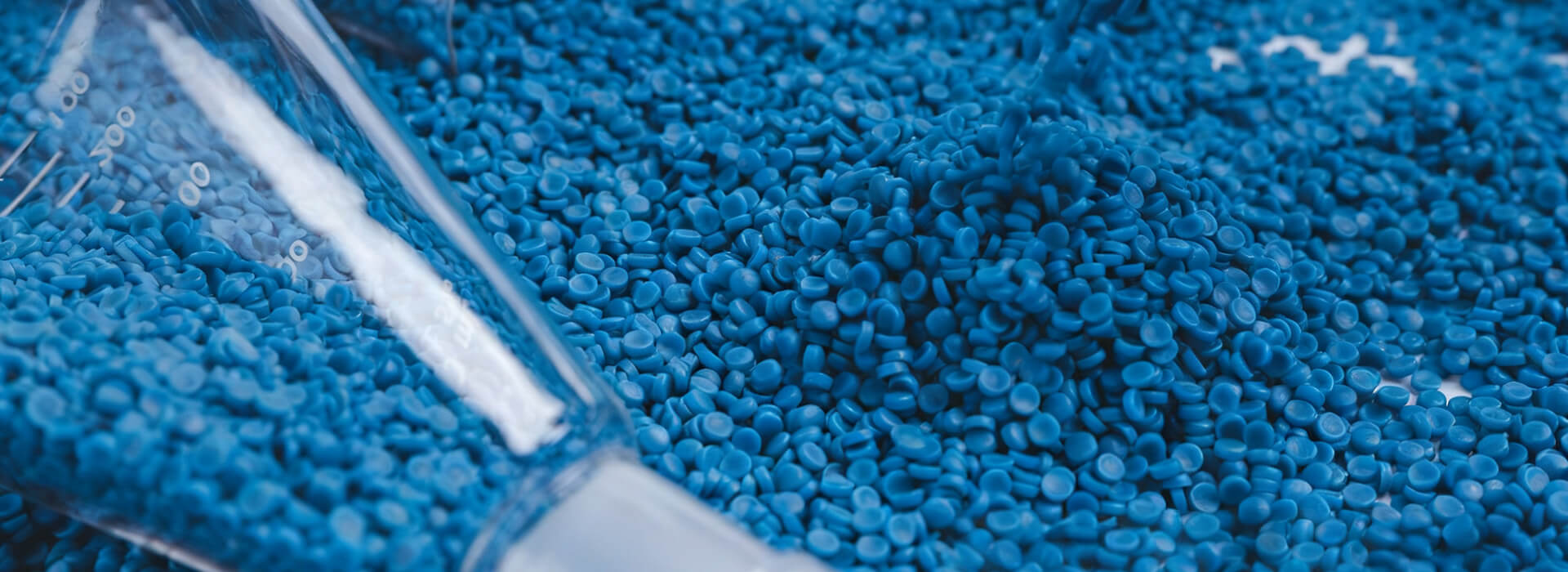
Polyvinyl Chloride Resin, often called PVC resin, defines a core industrial plastic material. People rely on it because of its adaptability and cost-effectiveness across construction, automotive, healthcare, and packaging. This synthetic polymer comes from polymerizing vinyl chloride monomer (VCM). The base material’s molecular formula, (C2H3Cl)n, points to long, repeating chains built from carbon, hydrogen, and chlorine atoms. These chains create a strong, lightweight, and versatile raw material. In practice, the resin is available in forms like powder, pearls, flakes, and solutions, matching different needs.
PVC resin is a white, tasteless, and odorless solid. Its density ranges around 1.3–1.45 g/cm³, making it denser than many plastic alternatives. These small grains or powders dissolve in select solvents but stay insoluble in water and alcohol, a property that makes handling both easier and safer. The melting point sits near 212–260°C, which allows for easy molding under industrial heat conditions. Its amorphous structure—meaning it lacks a clearly defined crystalline form—gives it good clarity and flexibility when plasticizers enter the mix. Pure PVC has decent mechanical strength and solid resistance to acids, alkalis, and other common chemicals found in environments as diverse as sewer pipes and medical tubing.
One of the main advantages grows out of how PVC resin comes to the world. Factories produce it as free-flowing powder for extrusion processes or transform it into pearl- or flake-shaped solids used in coating or compounding. This raw material finds its niche in both rigid and flexible product lines—think pipes for water supply and flexible sheets used for raincoats or flooring. Some manufacturers supply crystal-clear forms with fine grain size, ideal for specialty films. The average particle size typically falls between 100–150 microns, giving excellent dispersibility in pastes or solutions. For commercial purposes, the standard construction- or medical-grade PVC resin sits within tight quality controls regarding molecular weight distribution, viscosity number, and thermal stability, all checked through strict lab tests. These details help buyers specify what works best in their molds, pressers, or mixers.
Every shipment comes cataloged by its HS Code. Globally, PVC resin appears under code 3904, which eases customs processing and assures compliance. Alongside the code, technical data sheets describe the polymerization degree, K-value (a measure of molecular size), and residual monomer content—features that influence processing and performance. Manufacturers source the main raw materials from petrochemical routes, with VCM derived from ethylene and chlorine streams. Technicians often watch for traces of impurities, as these can affect the color or durability of finished goods. Every resin batch comes with its registration and safety guidelines: friction or static doesn’t trigger hazards, but fine dust needs proper ventilation to avoid respiratory discomfort. Clear labeling distinguishes between safe, hazardous, and harmful grades; only a few high-chlorine blends or heavily plasticized types require extra handling due to trace additive risk.
In everyday life, PVC resin enters construction as pipes, window frames, wall panels, and cables awaiting electrical installation. In my hands-on experience, handling the powder form highlights its susceptibility to airborne particles, especially in bulk loading or unloading. Wearing the right mask and working in a ventilated area matters. As a solid or blend, it’s much cleaner: opening a bag of rigid PVC pellets brings no scent, no sticky residue, and no immediate hazard. The simplicity of its physical state—a solid that pours like sand—means it integrates well into high-speed manufacturing lines. Many facilities run automated dosing for flakes or powders, minimizing spillage and dust, using equipment well suited for both high and low K-value material. Working with its solution form for coatings, I see firsthand how viscosity affects spread and drying times; too thick and it clogs the lines, too thin and the film loses uniformity.
Industry veterans know that raw PVC resin by itself avoids reactivity under normal storage. The major risk factors come from dust generation during transfer, which calls for routine workplace cleaning with HEPA-filtration vacuums, not dry sweeping. Official guidelines point to PVC’s high flash point and low volatility—this isn’t a flammable material in most working conditions. Direct skin or eye contact rarely causes irritation, though anyone with allergies should stay cautious. Once additives enter the picture—plasticizers, stabilizers, or colorants—the resin’s hazard profile can change, so up-to-date Safety Data Sheets (SDS) must sit close at hand. Disposal of spilled powder or contaminated scrap must follow local hazardous waste controls. For those of us spending hours in production environments, routine skin washing, and cotton gloves help keep surfaces clean and safe throughout a shift.
The biggest challenge with PVC resin often lies in balancing thermal stability—heating it too long produces hydrogen chloride gas, which gives off a sharp odor and corrodes metal equipment. Adding heat stabilizers to commercial formulations limits this risk, but I have seen maintenance costs skyrocket when vents clog or old lines corrode. Moving toward greener choices, many producers now select less harmful plasticizers and restrict volatile organic compounds in pastes and solutions. While recycling remains tough—chlorine-containing plastics create hurdles during melting and sorting—some facilities preprocess scrap PVC into new feedstock, reducing waste and environmental impact.
The largest PVC resin producers—China, the United States, and parts of Europe—churn out millions of tons every year. Global demand continues to climb, especially in growing cities that need affordable water systems. In my years working beside these heavy-duty mixing and forming machines, breakdowns usually point back to mislabeling resin grade or failing to keep the material dry. Moisture—sometimes less than one percent—can make a world of difference, turning a smooth extrusion job into a bubbling, brittle mess. Keeping resin in sealed silos or dry rooms forms the backbone of any quality operation. In the lab, checking K-value and residual chlorine content every shift keeps product quality on target. These aren’t just numbers: mistakes get costly, fast, once end users start seeing yellowed pipe or cracked vinyl siding.
Training plant workers on proper bag handling, mask use, and basic first aid for exposure to fine powder tackles most day-to-day hazards. For long-term sustainability, suppliers now track their chemical inputs to source cleaner, more transparent feedstocks, reducing downstream contamination in finished parts. Automated weighing, vacuum transfer systems, and closed conveyors stop most dust escape. Switching to raw materials with known provenance helps troubleshoot issues. I find troubleshooting easier when material specifications—viscosity, color rating, grain size—line up with what equipment expects. Success in handling PVC resin comes from combining knowledge, vigilance, and a willingness to adapt as both markets and regulations change.