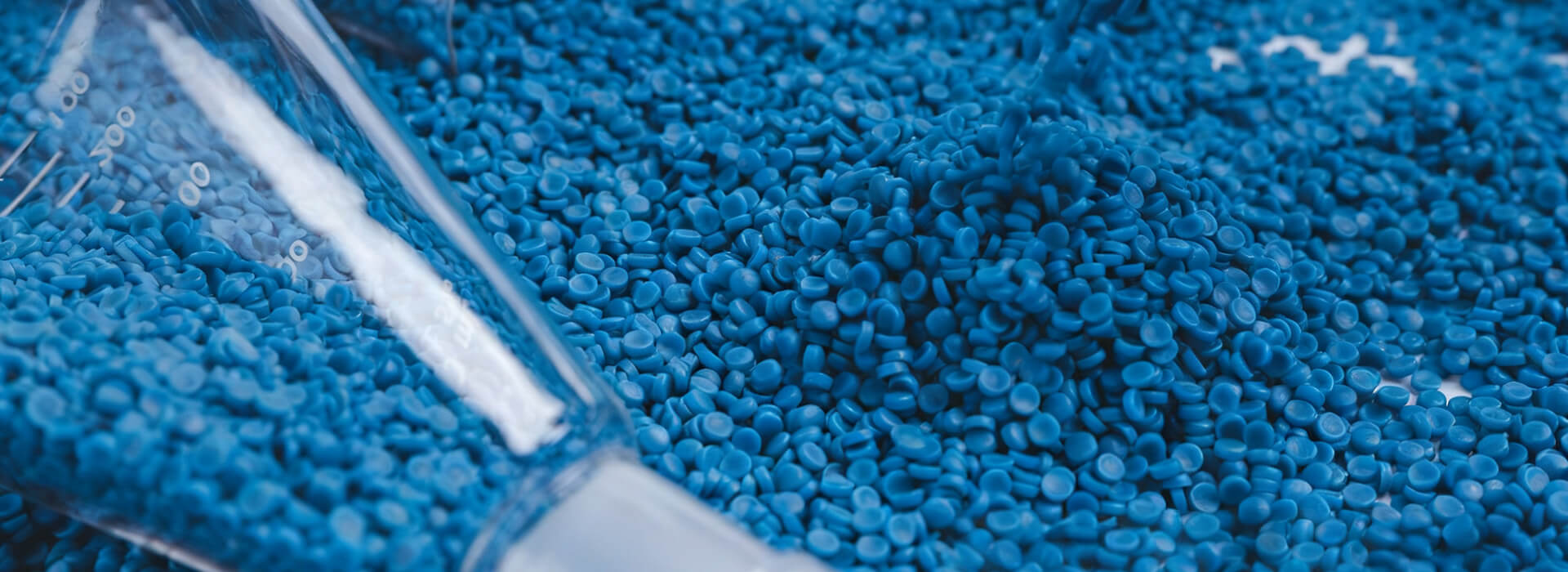
PVC paste resin steps into the spotlight as a raw material with plenty of industrial uses. Its backbone is polyvinyl chloride, built from the polymerization of vinyl chloride monomers. This resin sets itself apart with its fine particle size, looking more like a powder, paste, or even tiny pearls, depending on how it’s processed. In my experience, watching this powder transform into coatings or gloves never gets old. It’s the chameleon of the plastics world—soft when needed, resilient as called for, and almost always efficient. Factories rely on this material not just to save costs but to give products their hallmark flexibility and stability.
If you crack open a bag of PVC paste resin, you’ll find it’s almost odorless, with a white to creamy tint and a feeling not unlike baking flour but grittier. People call it “paste resin” for its ability to form thick dispersions in plasticizers, leading to pastes—like a heavy cream with the punch to become solid plastic. On the molecular scale, the resin follows the formula (C2H3Cl)n, with each unit weighing about 62.5 g/mol, but it’s the long chains that give it lifeblood. Typical density hovers around 1.3–1.45 g/cm³, but it depends on the grade and particle structure. These variations make it indispensable for foam layers, wallpaper coatings, synthetic leathers, and even children’s toys.
Industry doesn’t deal with one-size-fits-all. PVC paste resin comes as microbeads, loose powder, or solid flakes. Each shape changes how it blends with plasticizers. Many suppliers pay close attention to viscosity values, usually listed in K-values. Lower K-value means easier mixing but less toughness in the end-product. High K-value favors strength. From personal observation, factories pick resin grades based on what they want in the finish: glossy for flooring, soft for gloves, tough and clear for sheet goods. Typical moisture content stays below 0.4% to avoid processing hiccups.
Looking at the molecules, PVC paste resin chains like to lock in chlorine atoms, which help with resistance to oils, alkalis, and most chemicals. Because of its stable structure, it doesn't dissolve in water but loves plasticizers (mainly phthalates or adipates)—the stuff that turns resin into the sticky paste before heading to a processing line. In crystalline form, pure PVC lacks defined crystals but shows a sort of semi-amorphous pattern under a microscope. This odd mix lets it flow during processing but stay tough under daily use. The resin doesn’t light up under UV easily, making it steady in outdoor uses with the right stabilizers added.
You’ll spot PVC paste resin behind the scenes in flooring, automotive coatings, synthetic leather, wire insulation, adhesives, and household goods. Flooring shops prize it for its easy spread and sharp finish. Leather makers value its soft touch without the animal cost. Years on the factory floor taught me how this powder flows through machines, turning to gloves, bath mats, or inflatable toys. It’s also a base for wallpaper coatings because of its blend of flexibility and strength.
On paperwork, customs folks know PVC paste resin as HS Code 390410, a global identifier under plastics. In the warehouse, careful storage makes all the difference—cool, dry, and sealed—otherwise, clumping and spoilage creep in. Talking safety, the dry powder doesn’t usually pose major health threats, but breathing in dust over long shifts can annoy the lungs, so masks and good ventilation matter. Once mixed with plasticizers or heated for making finished goods, the resin can give off hydrogen chloride gas if burned—so fire safety isn’t just a checklist, it’s a necessity. The resin itself carries low direct toxicity but isn’t edible and needs to stay out of water sources to avoid long-term buildup. Workers learn fast: treat it with care, keep it away from open flames, and respect the machinery.
One big worry in industries using PVC paste resin has to do with its environmental life cycle. PVC production relies on vinyl chloride monomer, a known carcinogen, making factory safety controls and regulation crucial. Downstream, disposal becomes tougher—PVC doesn’t break down fast in nature. On top of that, the use of some plasticizers stirs health questions, especially as communities grow aware of microplastics and chemical leaching. From my own work with manufacturers, swapping out older, riskier plasticizers for non-phthalate types helps. Recycling old PVC remains a tough nut but isn't impossible—new techniques turn scrap back into pellets. Some companies now look at “greener” plasticizers and closed-loop manufacturing systems, cutting down on waste and risk. Investing in research to find less-hazardous raw materials shows promise. Everyone in the chain—from producers to recyclers—shares responsibility here.
PVC paste resin doesn’t just stay behind factory gates. It’s part of the kitchen floor, the wire coating in the wall, and the toys kids throw across rooms. Manufacturers keep leaning on it because it’s cheap, moldable, and good enough for daily abuse. The science behind the powder—how the molecules stick together, how the formula shifts with every tweak—shapes more than just the surface of products. Knowing what’s inside, how safe it stays in everyday use, and where it all ends up after disposal matters on big and small scales. In a world paying more attention to safety, health, and waste, tiny changes in resin sourcing and use ripple wide. Staying tuned to advances, keeping workplace safety a top priority, and pushing for smarter, safer, and more responsible plastics make a real difference with every bag of PVC paste resin that hits the line.