Sodium hypochlorite, recognized by its chemical formula NaOCl, stands out as a well-known and extensively used chemical compound in the modern world. Most people encounter it in household bleach, but industrial and municipal water treatment plants use it daily to control pathogens and keep water safe. This compound features a pale greenish-yellow appearance in solution, clear to the eye, and produces a sharp, characteristic odor similar to chlorine. Its origins go back to the early 18th century, first produced through the reaction of chlorine gas and sodium hydroxide, a reminder that industrial chemistry doesn't always have to be flashy—sometimes it's about practical, reliable results. The underlying raw materials, including salt (sodium chloride) and water, reinforce the element's familiarity and availability.
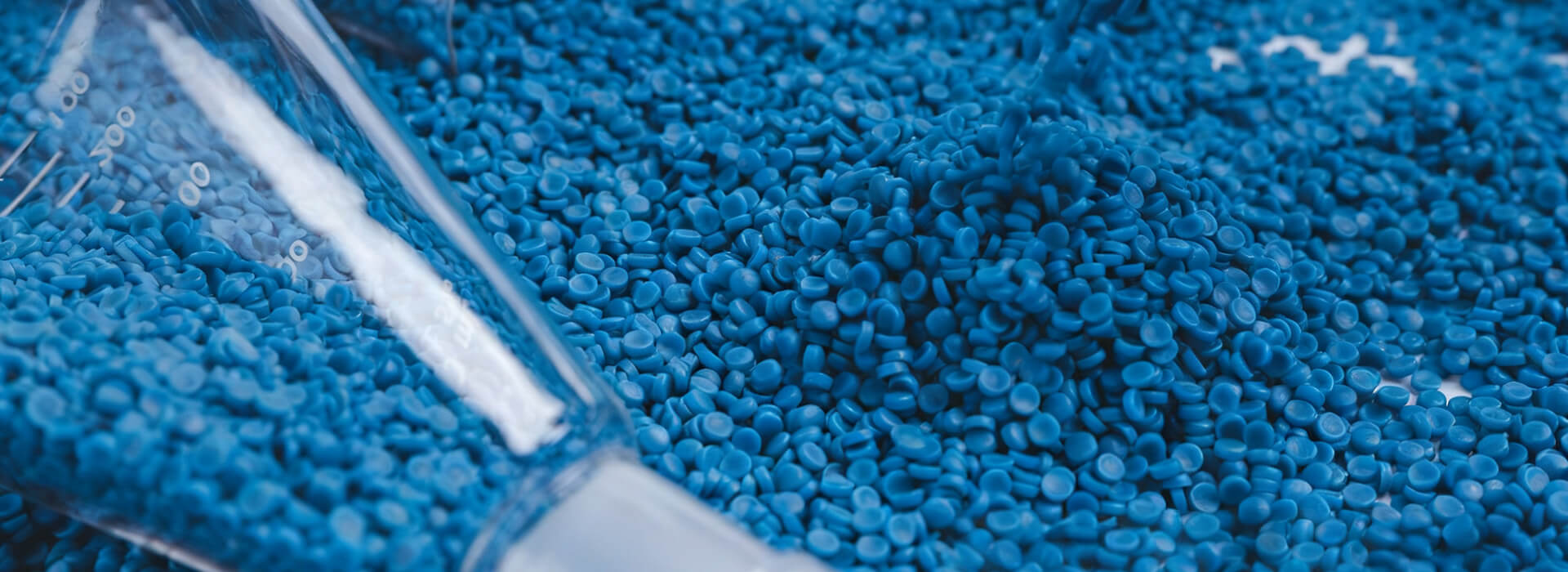
Sodium hypochlorite appears mainly as a liquid, but solid forms—including flakes, powders, pearls, and crystals—capture attention for their increased concentration and unique handling requirements. In liquid state, concentrations can range from 5% to as much as 15% active chlorine, typically stabilized for shelf life but always with a tendency to degrade in heat or sunlight. That tendency highlights why storage and handling always deserve respect. Solid sodium hypochlorite, in contrast, presents as pale crystals or a powder that demands strict moisture control; exposure to air lets the compound release chlorine, which can quickly create hazardous conditions. Density among liquid solutions stands around 1.1 to 1.2 g/cm³, fluctuating with concentration, while solids are less common but extremely potent. Regardless of form, color fades from pale yellow to white with increasing purity, and each variant packs a distinct chlorine tang.
Chemically, sodium hypochlorite exists in a delicate balance. It's a strong oxidizing agent, which means it reacts quickly with organic material—including the germs in unclean water or on a cutting board, as well as organic residues in waste treatment streams. That reactive nature ensures efficacy but raises safety stakes, causing potentially violent reactions with acids, ammonia, or even rust in the right conditions. People working with the compound quickly learn to respect its volatility: concentrated solutions release heat and toxic fumes during mixing or accidental contact with incompatible substances. The molecular structure—one sodium atom, one oxygen, and one chlorine—looks simple on a textbook page, but those elements pack a punch, dissolving organic stains and neutralizing harmful microorganisms by rupturing their cell walls. The formula NaOCl reads simple, but its action means the difference between safe drinking water and a contaminated supply. Every bottle or drum deserves correct labels, noting both chemical properties and concentration, given just how different a 5% and a 12% solution can perform in the field.
High-quality sodium hypochlorite requires precision in manufacturing and transportation. Impurities, especially iron or other metals, speed up breakdown and lower shelf life—leaving users with weak or unpredictable solutions. Standard specifications call for clear, homogenous liquid, free of visible solids, and stable under typical storage conditions. HS Code 28289000 generally covers sodium hypochlorite shipments, a detail important for international trade and documentation. Strict regulatory requirements, driven by health and safety authorities, apply in most countries, and procurement contracts hinge on documented purity and stability certifications. Suppliers with strong records of transparency and consistent product test results gain trust more easily, especially among major buyers in water treatment, food processing, and cleaning product industries. Specific gravity, concentration, and available chlorine content show up on every data sheet and become essential reference points for those performing water disinfection or surface sterilization in hospitals and public spaces.
Anyone who's ever splashed bleach on their skin or caught a whiff of too much chlorine will quickly appreciate sodium hypochlorite's hazards. At lower concentrations, the compound irritates skin and eyes; at higher levels, effects become severe or even corrosive. Inhaling vapors brings respiratory distress, a real risk in poorly ventilated spaces or enclosed tanks—something experienced operators never forget to avoid. The chemical's interaction with acids triggers the rapid release of chlorine gas, a suffocating, life-threatening vapor with a dark history in both accidental and deliberate poisonings. For safe handling, proper PPE, including gloves, goggles, and sometimes even a respirator, isn't negotiable. Storage guidelines call for cool, shady areas away from direct sunlight and any incompatible chemicals, especially organics or reducing agents. Emergency response plans feature eye wash stations and spill kits designed specifically for sodium hypochlorite, because a small leak or splash can escalate quickly in the wrong environment. Chemical safety training becomes a core requirement for anyone near production, storage, or mixing tanks.
Across industries, from municipal water utilities to food sanitation facilities and commercial laundries, sodium hypochlorite’s reputation rests on reliability. Municipal water plants dose millions of liters per day, keeping communities safe from pathogens such as E. coli and norovirus. In healthcare, the chemical tackles surface sterilization and equipment disinfection, reducing infection risks in critical environments. The textile sector, paper manufacturing, and even waste treatment use sodium hypochlorite for bleaching, stain removal, and odor control, all tasks underpinned by its aggressive oxidation capacity. Each application brings its own handling challenge, underscoring the need for robust training and clear communication of risks. Continuous improvement—through tighter purity controls, stabilized formulations, and automated dosing systems—cements safer work environments and better environmental outcomes. Investing in research for greener production pathways and biodegradable stabilizers could lower risks both upstream and downstream, ultimately strengthening public confidence and reducing accidental exposure.