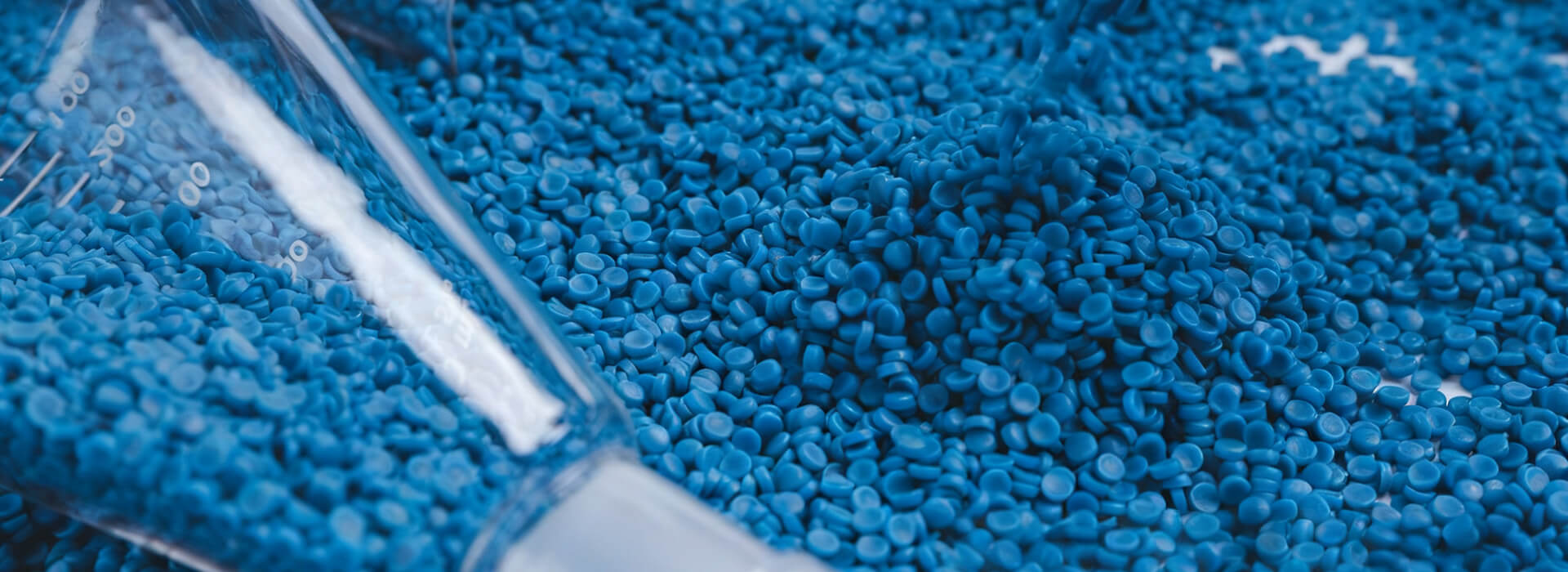
Step into a plastics factory. That clean, clinical smell, loads of powder, and more than a few grumpy forklifts lurking around. Most of the buzz centers on suspension pvc resin. Ask any veteran of the game—Formosa, Shin-Etsu, LG Chem, Chemplast, Reliance, Hanwha, Westlake—they go on about grades like k57, k58, k65, all the way to K70, and commercial favorites like SG5, SG7, or SG8. These numbers crop up before coffee or safety goggles go on. Why? Because choosing the right polyvinyl chloride suspension resin means the difference between pipes that last and ones that crack.
PVC suspension resin rewards those who sweat the details. This stuff gets mixed up in reactors with water and a splash of suspending agent, then processed—big bubbles, small beads, all of it dry and precise. At the end, the grain size, clarity, and porosity stack up to shape everything from window profiles to food packaging. Most people never think about it. Pipe fitters, cable manufacturers, car part assemblers—they do. They talk price-per-ton and delivery times, but know a lot more rides on choosing the right suspension pvc resin supplier or sourcing it at the right market price.
Last decade, demand shot up in places nobody expected. India’s construction boom, Africa’s agricultural modernization, water infrastructure getting an overhaul all over Southeast Asia—suddenly, everyone needs pvc pipes, cable insulation, vinyl flooring. Chemical companies have scrambled to keep up, expanding plants, tweaking formulations. Any hiccup—a hurricane in the Gulf Coast, or a rail strike in China—sends ripples through the market. Prices react, buyers grumble, and factories feel pressure to find a steady pvc suspension resin manufacturer.
Suspension polyvinyl chloride has one simple appeal: its versatility. This isn’t just a marketing cliché. A batch of K67 grade might get sliced into thick-walled pipes in Brazil, pressed into credit cards in Europe, or stretched into transparent vinyl sheet in the U.S. Industrial grade resin stays in demand for tough, utility applications. Food grade keeps showing up in cling films and medical gear. Get the mix right and the applications double overnight: panels, profiles, wires, flooring tiles.
Take a look at suspension pvc market price charts and volatility jumps out. Every quarter throws surprises. Feedstock costs have swayed; energy bills double some months. Everyone—from the seasoned distributor in Istanbul to a young pvc suspension resin exporter in Ho Chi Minh City—watches global events. Over the past five years, cost structures shifted, but resilience pays: reliable suppliers keep contracts, and quick-thinking companies hedge bets on shipment schedules, especially from large producers like Formosa and LG Chem.
Competition stays fierce. A factory manager once told me, “You’re not just paying for raw resin. You’re paying for the guy who shows up at 2 a.m. when the silo clogs or specs drift.” That’s the underbelly of this business. The best pvc suspension resin factories treat logistics, tech support, and real-time troubleshooting as much a product as the bag of white powder itself. As more companies want traceable, consistent supply, partnerships become worth as much as price points.
Trust is everything in the plastics game. Suspension resin makers keep certificates stacked on lobby walls—REACH, RoHS, FDA, ISO—but a lot more happens beyond paperwork. Buyers talk about “batch-to-batch stability,” “low fish-eye count,” or “clean fusion curves.” Poor suspension pvc resin risks product failures or costly recalls. Major resin factories—Reliance, Hanwha, Westlake—pour energy into lab upgrades, pilot plants, and careful raw material selection.
Stories flood the industry about failed cables or pipes leaking within a few years. Most of those headaches trace back to poor quality resin or inconsistent batches. Experienced converters notice even minor shifts: a strange smell during extrusion, odd yellowing after curing. Those issues add up, prompting buyers to stick with pvc suspension resin suppliers with unshakable track records. The better ones share audit results and even adjust processes to match certain customer lines. Communication isn’t a luxury—it's a survival tool.
The environmental spotlight keeps getting stronger. Influencers debate phthalate-free plastics. Municipalities slap bans on lead stabilizers. Europe keeps ratcheting up restrictions, eyes glued to polyvinyl chloride suspension resin composition and source. Big producers scramble to modify processes, cut emissions, and trace every chemical added. Greenwashing’s easy—legit sustainability takes real money. Industry giants roll out new grades, reduce energy per ton, and invest in recycling. Companies who ignore these trends lose ground, especially as buyers ask more questions about supply transparency.
Smaller pvc suspension resin distributors see opportunity in compliance. Handling documentation well or offering technical support for food-grade or medical-grade applications creates new value. A nimble supplier turns regulations into selling points. They promote products like K67 or SG5 with full traceability, eco-certifications, even carbon footprint tallies. As brand owners want clear answers, chemical companies who speak their language walk away with the biggest deals.
Plastic seems old-school to many, but innovation drives the business. Look at infrastructure: Emerging countries invest in massive water delivery systems where cost drives every decision. PVC pipes made from top-notch suspension pvc resin, especially K65 or similar grades, offer strength, resistance to corrosion, and a low sticker price. Hospitals, for instance, demand reliable food-grade SG7 and SG8 for sterile packaging and tubing. The automotive shift to lighter, cheaper plastics means more demand for specialty blends.
Demand for finished pvc products changes constantly. Urbanization, economic cycles, and environmental pressures move the goalposts. The clever pvc suspension resin exporter keeps tabs on global trends—right now, lightweight panels for prefabricated buildings, expanded cable production, and specialized medical disposables all spell growth. As the market adapts, even packaging evolves: stiffer films, clearer wraps, and more recyclable resins.
Working with resin for years gives a clear picture: the market rewards honesty, consistency, and genuine service. Too often, customers face jargon-filled sales pitches and receive samples that don’t reflect bulk shipments. Smart manufacturers realize that earning trust comes down to delivering what’s promised, without hidden surprises. Responding quickly to queries, owning up to missteps, and investing in proper after-sales support marks a supplier as a real partner—not just a vendor.
There’s still untapped room to reduce waste. Supply chains run lean, but better forecasting and communication would ease spikes that throw everyone off. On the technical side, chemical companies working directly with end users—learning how installers, extruders, or packagers run lines—will spot shortcuts, avoid mismatches, and foster genuine innovation. Chemplast or Hanwha can’t sit back trading on their names; nimble upstarts constantly chase them, raising expectations. Factories that keep listening, invest in R&D, and stay upfront about pricing attract the new contracts.
People outside the resin world see a few global names dominate: Shin-Etsu, LG Chem, Westlake. But stop by any large city and you’ll meet local pvc suspension resin distributors, each with their own stories about logistics, payment headaches, and technical roadblocks. These smaller players keep the market flowing, fill gaps during shortages, and often push new technologies sooner than giant firms.
Supply chain turbulence doesn’t go away: rising freight costs, changing tariffs, even geopolitical squabbles all factor in. A factory in Turkey buying Formosa suspension pvc might pivot to another source on short notice. Resilience grows where local expertise meets the resources of global majors—a blend that keeps the industry evolving. Those who pay attention to local experience tend to outmaneuver textbook strategists.
Suspension pvc keeps proving itself, decade after decade. Having spent a career chasing decent material specs, navigating price whiplash, and dealing with endless paperwork, I come back to basics. Companies who stick by their word, keep experimenting, and handle the messy side of industrial supply create the fabric of the plastics world. Today’s suspension pvc applications may shift, but reliability, real support, and transparent supply keep this industry alive and moving.