Sodium hydroxide, also known as caustic soda, takes on heavy workloads across industries. Supply chains need to stay flexible. Swings in demand for sodium hydroxide hit the pulp and paper, textiles, water treatment, chemical manufacturing, and cleaning sectors. Chemical companies, whether as a sodium hydroxide manufacturer, distributor, exporter, or bulk supplier, shape major decisions for global industry. From sodium hydroxide factory production lines in Texas or Gujarat to bulk caustic soda shipments out of Rotterdam or Shanghai, reliability factors into every downstream product we touch daily.
On the procurement side, plant managers and buyers now hunt far beyond sodium hydroxide price per kg or price per ton. Buyers compare product purity, grades, lot size, logistics, and responsiveness. Food grade sodium hydroxide and industrial grade caustic soda serve starkly different needs. Researchers ordering sodium hydroxide pellets from a marketplace like Merck or Sigma Aldrich need rigorous documentation. Water treatment, municipal or industrial, leans on sodium hydroxide solution to adjust pH, break down contaminants, clean pipes, and remove heavy metals. Buying sodium hydroxide in bulk, whether as pellets, flakes, beads, or 50% liquid, often involves established relationships with sodium hydroxide suppliers like Brenntag, Univar, Olin, Formosa, or Aditya Birla. Each link, from sodium hydroxide distributor to end user, in its own way redistributes the risk when market prices swing.
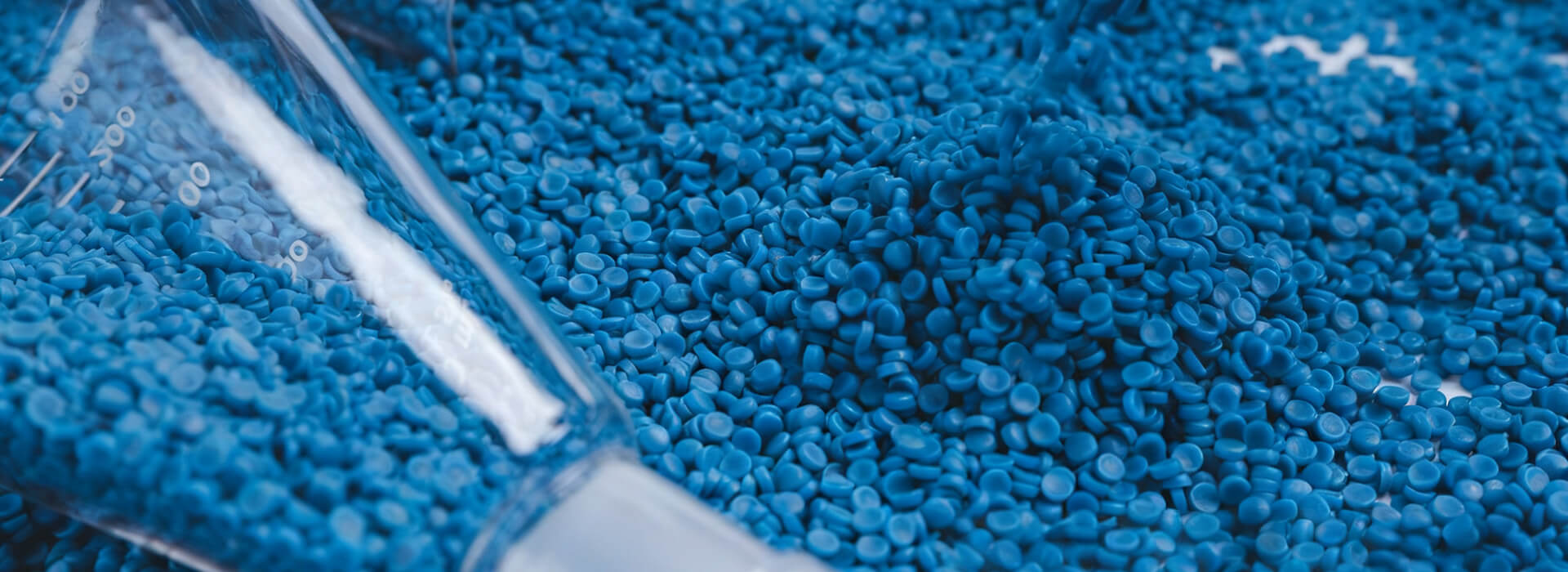
In the lab and on the factory floor, product form gets as much attention as source. Pure lye for soap making comes as sodium hydroxide pellets or flakes. Liquid lye and food safe lye work better in pretzels, ramen, or food processing. Industrial wastewater plants and cleaning services use sodium hydroxide solution drums, not sodium hydroxide beads or powder. One-size-fits-all, or treating caustic soda flakes, pearls, and solution as interchangeable, can backfire. Each form comes with logistics challenges. Sodium hydroxide cleaning solution, sodium hydroxide USP, and sodium hydroxide reagent grades pile on hazardous material requirements. Sourcing the wrong form, or missing required documentation, damages supply chains and end products.
Wholesale sodium hydroxide buyers, factories, and retailers take note every time caustic soda price spikes—from commodity exchange listings to bulk supplier contracts. Looking back at recent years, strong demand for sodium hydroxide flakes and pellets from soap makers, cleaning product factories, and petrochemical plants clashed with plant closures and shipping delays. Prices for caustic soda 25kg bags, sodium hydroxide 1kg packs, or 40 lb pails regularly fluctuate on global exchanges as natural gas costs rise and fall, environmental controls become stricter, and local production stops. During supply crunches, sodium hydroxide price per ton in some regions will rise from $350 to over $900, and sodium hydroxide bulk price pushes downstream costs for entire industries. Chemical companies keep investing in new sodium hydroxide factory setups and vertical integration to control risk.
Many companies, especially sodium hydroxide manufacturers and exporters, face rising pressure to “green” their processes. Electrolysis splits salt solutions to create caustic soda and chlorine. This step often draws from energy grids with carbon-heavy footprints. Demand keeps rising for sodium hydroxide made with renewable energy or plants with lower emissions. Buyers start screening sodium hydroxide suppliers not only on cost or ISO certification but on their environmental disclosures. Seeing a sodium hydroxide exporter with third-party sustainability reporting or sodium hydroxide factory details on energy use actually shifts purchasing decisions at large multinationals and regulated industries. From my own contacts in the specialty chemical business, entire contracts now hinge on documentation of renewable energy use in sodium hydroxide refining.
Purchasing agents who need reliability don’t risk their operations on unlisted sodium hydroxide bulk suppliers. Brands like Merck, Sigma Aldrich, VWR, and Fisher Scientific stay in steady rotation in labs across Europe, North America, and Asia. Chemicals carrying these names match decades of data sheets and batch histories. For larger shipments, sodium hydroxide from majors like Olin, Univar, BASF, Aditya Birla, Inovyn, Tata Chemicals, and GACL wins points for logistical stability. Industrial customers who use sodium hydroxide 50% solution for water treatment, cleaning, or pH control rarely change sources without rock-solid technical assurance.
Without reliable testing and certification, risks multiply across sectors. Sodium hydroxide NFPA and batch tracking matter for safety teams and insurance. Sodium hydroxide USP or food grade sodium hydroxide keeps regulators and auditors satisfied in food and pharma. Technical grade caustic soda serves oilfield and textile customers, but every sodium hydroxide factory gets the same demand: batch-level purity, heavy metal limits, and identification of any contaminant. My work with a regional chemical distributor in the US taught me that losing a batch due to an unidentified contaminant can wipe out millions of dollars in product, delay contracts, and sour relationships with sodium hydroxide distributors and end users.
Supply resilience starts with tighter partnerships. Some buyers leave the sodium hydroxide spot market, negotiating year-long contracts at a fixed sodium hydroxide bulk price. This protects against cost spikes, provided demand stays steady. Factories team up with sodium hydroxide exporters to keep emergency stock in strategic locations. Blending local and global suppliers can smooth out freight or customs delays, especially crucial for sodium hydroxide 25kg, 50kg, or bulk containers bound for manufacturing hubs on tight deadlines.
Buying sodium hydroxide online works for labs and R&D, but high-volume users depend on direct contracts. They stay ready for compliance audits—whether the sodium hydroxide comes marked as caustic soda 99% flakes, pearls, or liquid lye; whether the sodium hydroxide originates from a major plant in China, Europe, or North America. End users look for sodium hydroxide certificates of analysis, third-party batch testing, and strict site control.
Digital supply chains started reshaping the sodium hydroxide marketplace. Procurement teams track bulk caustic soda by barcode through the shipping and distribution stages. End-to-end traceability cuts paperwork errors and supports stronger recalls. Predictive analytics tap data from sodium hydroxide factory operations, forecasting price trends and planning raw material intake.
Custom grades show increasing popularity. Suppliers now produce sodium hydroxide micropearls, prills, and high-purity powder for reactors, battery manufacturing, semiconductor cleaning, or specialty detergents. Demand for food safe lye and pure lye for traditional foods continues in baking, noodle manufacturing, and European cuisine. Global sodium hydroxide market value grows as more sectors turn to sodium hydroxide cleaning solution, sodium hydroxide for water treatment, sodium hydroxide for soap making, detergent manufacturing, and dyes. Exporters, manufacturers, and distributors who offer tailored lot sizes and more responsive logistics attract new customers.
From simple caustic soda 25kg bags to rail car shipments of sodium hydroxide 99% pearls, volume and grade matter everywhere. My own time on the procurement side reinforced the lesson: buying from established sodium hydroxide manufacturers, working closely with reliable sodium hydroxide suppliers, and demanding documentation at every stage cut downstream risks. Today, chemical companies keep pace by diversifying logistics channels, investing in greener electrolyzers, and tightening quality management.
This keeps goods moving, helps stabilize sodium hydroxide price per kg and price per ton, and delivers value to every sector that counts on sodium hydroxide—water utilities, food manufacturers, cleaning product brands, laboratories, and heavy industry. Chemical companies that build responsive, transparent sodium hydroxide supply chains keep their customers out in front, even in volatile times.